


The periodic table might look like a giant grid of random letters and numbers. In reality, it is a map of all the building blocks of matter. Each square represents an element, and each element has a role in school experiments, batteries, cooking, and even the air we breathe. Learning how to read the periodic table makes chemistry easier and less intimidating.
Transform your O-Level Chemistry learning into real progress with Advo Education. Contact us via call, WhatsApp, or our contact form for any enquiries!
What is the Periodic Table?
The periodic table is a chart that organises all known chemical elements. Each square represents an element and contains its atomic number, symbol, and atomic mass. The table is organised into rows and columns to show patterns.
Periods (rows) increase by atomic number from left to right, with properties changing gradually. For example, in period 2, lithium is reactive while neon is unreactive.
Groups (columns) contain elements with similar chemical properties. Elements in a group often react in the same way and can form similar compounds. For example:
- Group 1 – Alkali metals: Lithium, Sodium, Potassium; all react quickly with water.
- Group 17 – Halogens: Fluorine, Chlorine, Iodine; all form salts with metals.
- Group 18 – Noble gases: Helium, Neon, Argon; rarely react with other elements.
Groups make it easier to predict how elements behave in chemical reactions.
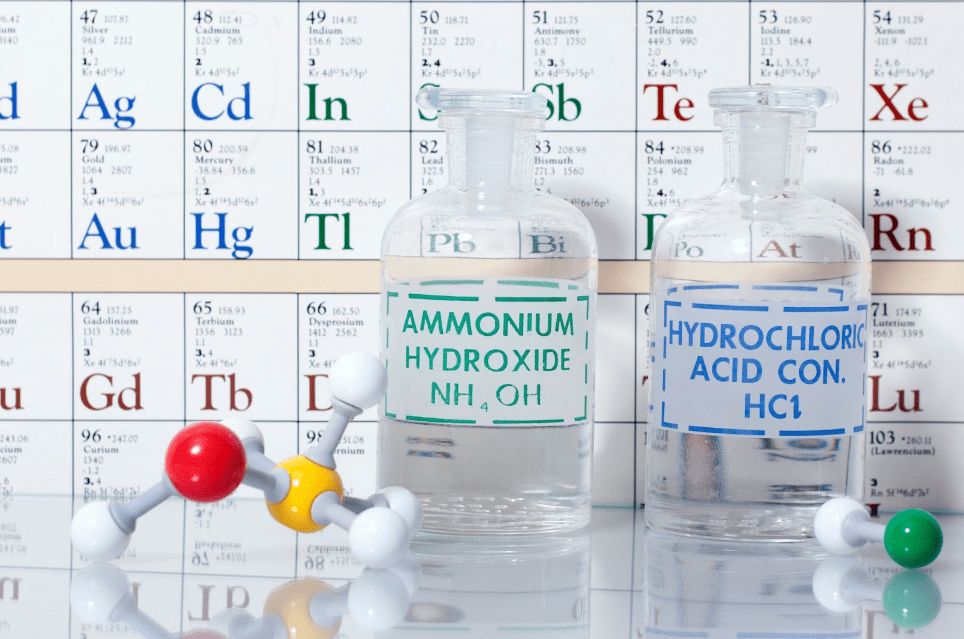
How to Read Periodic Table
A. Reading an Element Box
Each element on the periodic table is shown in a small box. This box gives key information about the element.
- Atomic number: Shows the number of protons in the atom. This number also tells you the position of the element on the table.
- Symbol: A one- or two-letter short name for the element.
- Atomic mass: Shows the average weight of the element’s atoms.
For example, oxygen has an atomic number of 8, the symbol O, and an atomic mass of about 16. This means every oxygen atom has eight protons and a mass close to 16.
You do not need to memorise every value. Focus on recognising the atomic number, symbol, and where the element sits on the table. Patterns matter more than numbers.
B. Types of Elements
The periodic table groups elements based on shared properties. One of the simplest ways to understand this is by dividing elements into metals, non-metals, and metalloids.
Metals make up most of the periodic table. They conduct electricity and heat and are usually solid at room temperature. Metals are mainly found on the left side and in the centre of the table. Common examples include iron, copper, and aluminium.
Non-metals have very different properties. They do not conduct electricity well and many exist as gases at room temperature. You can find these elements on the right side of the table. Oxygen, nitrogen, and carbon are well-known non-metals.
Metalloids sit between metals and non-metals on the table and share properties of both. Because of this, they are often used in electronics. Silicon is a common metalloid.
C. Special Groups
Certain columns on the periodic table stand out because the elements within them behave in very similar ways. These are known as special groups and are commonly studied in chemistry.
Alkali metals, found in Group 1, are known for how easily they react. Because of this high reactivity, they are rarely found on their own in nature. Elements such as lithium, sodium, and potassium all react quickly with water and form compounds easily.
Moving across the table, halogens appear in Group 17. These elements also react readily, especially with metals, which is why they are often used to form salts. Chlorine and iodine are common halogens used in everyday products.
At the far right of the table are the noble gases, found in Group 18. Unlike the other groups, these elements rarely take part in chemical reactions. Their outer electron shell is already full, which makes them stable. Helium, neon, and argon are typical examples.
Patterns and Tricks
One of the most useful things about the periodic table is that it shows clear patterns. Once you learn to spot them, you can predict how elements behave without memorising facts.
Moving down a group, atoms become larger because they gain more electron shells. This change affects how strongly elements react. For example, alkali metals become more reactive as you move down the group.
Across a period, from left to right, elements change more gradually. Metals appear first, followed by metalloids, and then non-metals. At the same time, atomic size decreases and reactivity shifts.
These patterns help you make quick comparisons between elements. To study them more easily, colour-code groups, mark metals and non-metals, and focus on how properties change with position rather than exact values.
Interesting Facts
The periodic table has many details that make it easier to remember and more interesting:
- Lightest and heaviest elements: Hydrogen is the smallest element, with just one proton, and is found in water, air, and living things while Uranium is one of the largest naturally occurring elements. This shows how elements can vary in size, weight, and behaviour.
- Element names with stories: Uranium, neptunium, and plutonium are named after planets. Curium and mendelevium are named after scientists who shaped chemistry. These names make elements easier to remember.
- Everyday uses: Lithium powers phone and laptop batteries. Silicon is used in computer chips and solar panels. Sodium and chlorine combine to make the salt used in food. Oxygen, nitrogen, and carbon are essential for breathing and nutrition.
Conclusion
Learning how to read the periodic table is about spotting patterns, not memorising every detail. Once you understand periods, groups, and the information in each element box, the table starts to make sense.
The periodic table is a guide to the building blocks that make up the world around you. The more you explore it, the easier it becomes to predict how elements behave and why they matter.
Transform your O-Level Chemistry learning into real progress with Advo Education. Contact us via call, WhatsApp, or our contact form for any enquiries!