


Preparing for the GCE O Level Chemistry Practical can feel overwhelming — even for students who perform well in theory papers. In Singapore, this assessment often separates average grades from distinctions, not because the chemistry is harder, but because exam technique, scientific writing, and structured thinking matter just as much as content knowledge.
In this 2026 Singapore guide to the GCE O Level Chemistry Practical, you’ll discover what examiners really look for, how to avoid common scoring traps, and how expert academic support from Advo Education’s O-Level Chemistry Tuition in Singapore can help you walk into the exam confident, prepared, and ready to score.
👉 Looking for structured exam guidance? Explore Advo Education’s O-Level Chemistry Tuition in Singapore for focused revision and exam strategies.
What Is the GCE O-Level Chemistry Practical Exam in Singapore?
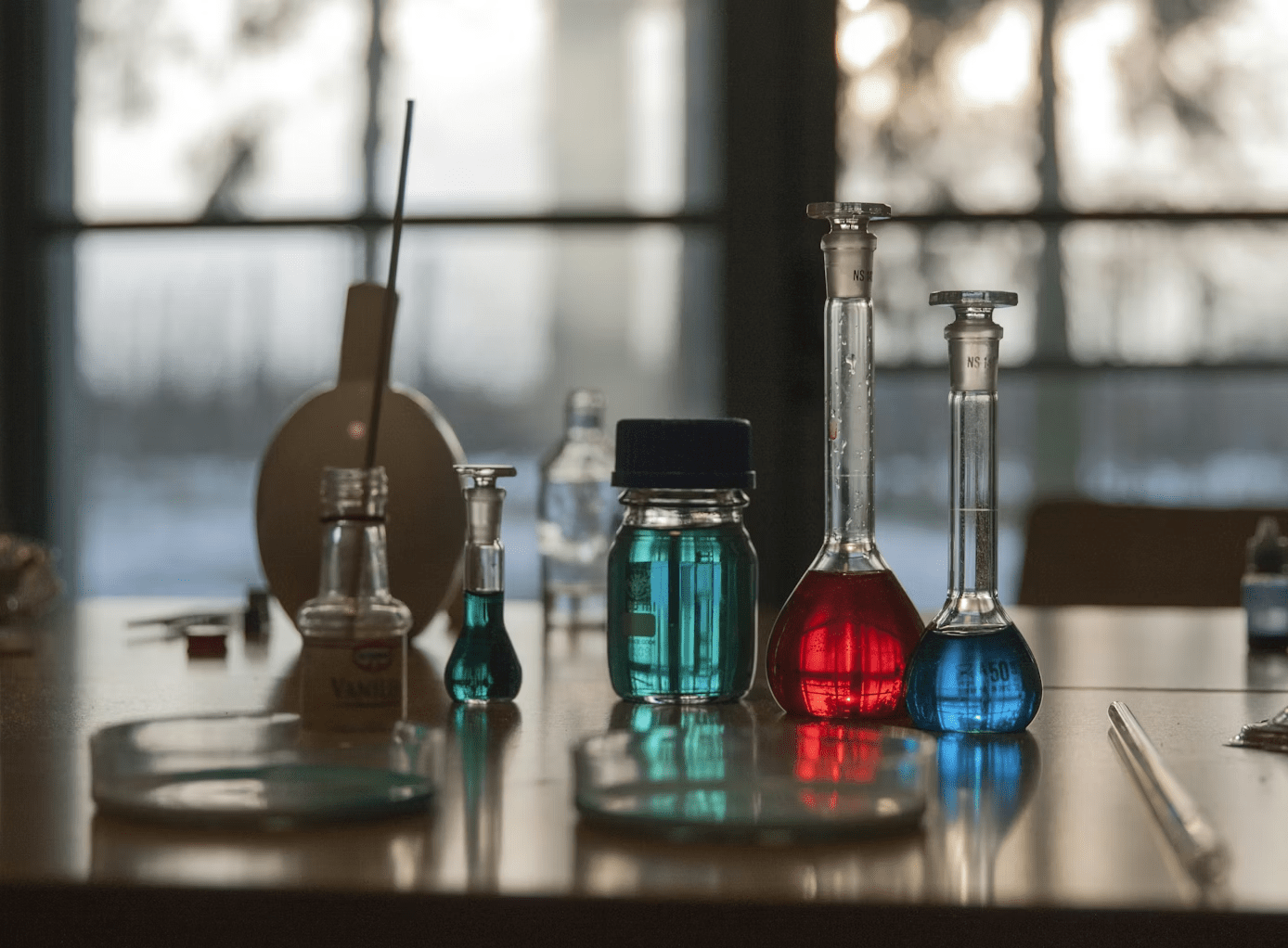
The GCE O Level Chemistry Practical is a core assessment set by SEAB and the Ministry of Education (MOE) Singapore to evaluate how well students can apply chemistry concepts in experimental and exam-based contexts.
This paper tests a student’s ability to:
- Interpret experimental data
- Write precise and exam-appropriate observations
- Present results clearly in tables and graphs
- Explain procedures and safety considerations logically
For many students, strong performance here can significantly improve their final Chemistry grade.
GCE O Level Chemistry Practical 2026 Exam Format Breakdown
Understanding the structure of the GCE O Level Chemistry Practical 2026 exam gives you a major scoring advantage. The paper typically includes:
1. Qualitative Analysis (QA)
Students are asked to identify gases, cations, and anions based on given test results or simulated experimental data. Marks are awarded for correct test sequencing, accurate interpretation, and proper chemical terminology.
2. Quantitative Experiments
This section may involve:
- Titration-style calculations
- Rate of reaction data interpretation
- Energy change experiments
Students are assessed on:
- Table formatting and units
- Correct working and calculations
- Proper graph plotting and trend analysis
3. Planning or Data-Based Questions
You may be required to:
- Design an experimental procedure
- Identify independent, dependent, and controlled variables
- Describe safety precautions
- Explain how results should be recorded and analysed
Clear structure and logical sequencing are key to scoring full marks.
What Examiners Look For in the GCE O Level Chemistry Practical
Examiners do not just look for “correct answers.” They reward clarity, consistency, and scientific communication.
They look for:
- Proper chemical terms (e.g. “effervescence observed” instead of “bubbles”)
- Well-organised tables with headings and units
- Clearly labelled graphs with appropriate scales
- Logical test flow in QA answers
- Sensible and relevant safety precautions
These are skills that improve significantly with guided practice and structured exam feedback.
Step-by-Step Strategy to Score Full Marks

Qualitative Analysis (QA): Identify Ions with Confidence
To score well in the GCE O Level Chemistry Practical QA section:
- Follow a structured test flowchart in your written answers
- Write observations, not conclusions
- Use standard exam phrases such as:
- “White precipitate forms and dissolves in excess aqueous ammonia”
- “Effervescence observed, gas turns limewater milky”
Common Mistake: Writing “no change” instead of “no visible reaction observed” can cost easy marks.
At Advo Education, students practise writing QA answers using exam-style questions and marking schemes, helping them internalise the language and structure examiners expect.
Quantitative Experiments: Titration, Rates & Energy Changes
This section rewards methodical working and presentation as much as numerical accuracy.
Scoring tips:
- Always show full working
- Use correct units in every calculation and table
- Choose sensible, even scales when plotting graphs
- Label all axes and data clearly
Markers often award method marks even if the final answer is slightly inaccurate.
Planning Questions: Think Like an Examiner
A high-scoring answer should clearly include:
- Aim
- Independent, dependent, and controlled variables
- Step-by-step method
- Safety precautions
- Data collection and analysis plan
This structured approach can easily secure 1–2 extra marks.
Top Mistakes That Cost Students 10–20 Marks in the GCE O Level Chemistry Practical
Avoid these common scoring killers:
- Missing units in tables and calculations
- Writing conclusions instead of observations
- Poorly scaled or unlabelled graphs
- Skipping safety steps in planning questions
- Rushing one section due to poor time management
GCE O Level Chemistry Practical Revision Checklist (2026)
Before the exam, make sure you can:
- Recall all QA tests and expected results
- Format tables and graphs correctly
- Use standard observation phrases
- Structure full-mark planning answers
- Apply basic lab safety knowledge in writing
Why Most Students Struggle Without Expert Academic Guidance
Many students revise by memorising answers instead of learning how examiners award marks. This often leads to:
- Weak explanation techniques
- Poorly structured answers
- Low confidence under timed conditions
Practical exam success depends heavily on exam strategy, answer structure, and clarity of scientific writing.
How Advo Education Supports Success in the GCE O Level Chemistry Practical

At Advo Education, students receive structured academic and exam-focused coaching designed to help them excel in the GCE O Level Chemistry Practical — even without direct lab access.
Students benefit from:
- Guided breakdown of SEAB marking schemes
- Exam-style question practice and feedback
- Model answers for QA, planning, and data-based questions
- Time management strategies for practical papers
- Personalised academic support based on weak areas
Instead of guessing what examiners want, students learn how marks are awarded — and how to write answers that secure them consistently.
👉 Get expert exam guidance today — explore Advo Education’s O-Level Chemistry Tuition in Singapore and prepare smarter for the 2026 exam.